
Why Memorial Weekend and Camping Season Often Trigger Back Pain
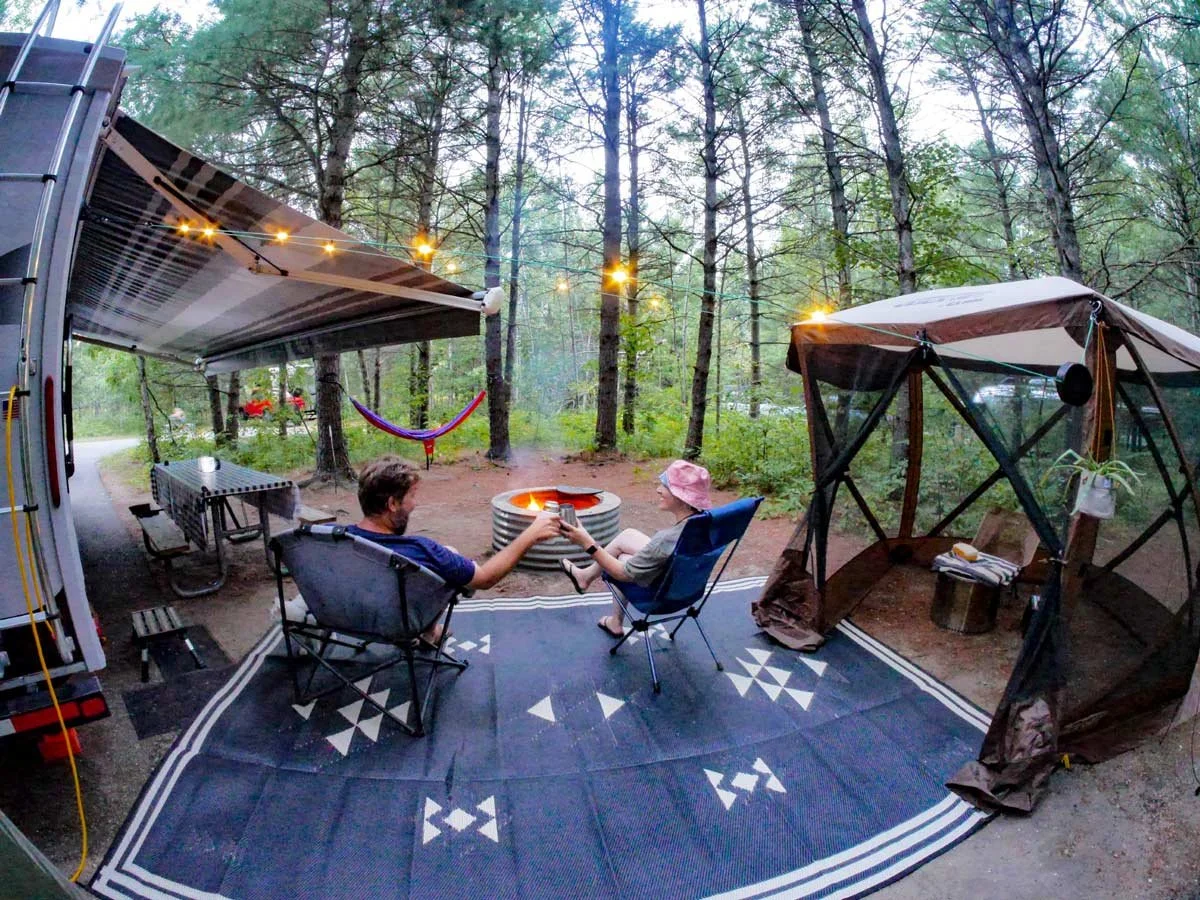
The Season Opens — and So Does the Schedule
For many families, Memorial Day isn’t just a long weekend.
It’s the unofficial start of camping season.
Seasonal sites open. Campers come out of storage. Trucks get packed. Coolers get loaded. Outdoor furniture gets set up.
After months of a predictable routine, the physical and logistical demands change quickly.
And by Monday night — or Tuesday morning — stiffness sets in.
Setup Day Is More Demanding Than It Looks
Opening a seasonal site isn’t just “relaxing at camp.”
It usually includes:
Lifting and carrying coolers or storage bins
Twisting while unloading gear
Setting up grills, tables, and chairs
Bending repeatedly on uneven ground
Climbing in and out of trucks or campers
None of these movements are extreme.
But they are repetitive — and often performed after months of lower physical demand.
When familiar movements are done in unfamiliar environments, the body works harder to stabilize.
Uneven Ground Changes Mechanics
Camping introduces surfaces most people don’t train on.
Gravel. Grass. Soft ground. Small inclines.
These surfaces subtly change how the hips, knees, and spine coordinate movement.
On stable flooring, small imbalances can go unnoticed.
On uneven ground, those imbalances become more obvious.
That doesn’t mean something is injured.
It means stabilizing muscles are being challenged differently than they were all winter.
Sleep and Recovery Shift Too
Camp mattresses, RV beds, and air mattresses don’t distribute support the same way your home setup does.
Add in:
Later nights around a fire
Earlier wake times
More walking throughout the day
And recovery time shortens.
When recovery compresses, stiffness accumulates.
Most post-weekend discomfort isn’t caused by one dramatic lift.
It’s the stacking of small stressors without enough restoration between them.
Camping Doesn’t Have to Equal Setbacks
The goal isn’t to avoid opening the camper.
It’s to respect the transition.
Gradual preparation before the weekend helps. So does pacing setup tasks instead of doing everything in one stretch.
Simple resets — like resuming normal sleep and movement routines quickly after returning home — help the body recalibrate.
Camping season should feel freeing, not limiting.
But like any seasonal shift, it asks the body to adapt.
When adaptation is supported, long weekends expand what you can do.
When it’s ignored, Tuesday mornings feel heavier than expected.
