
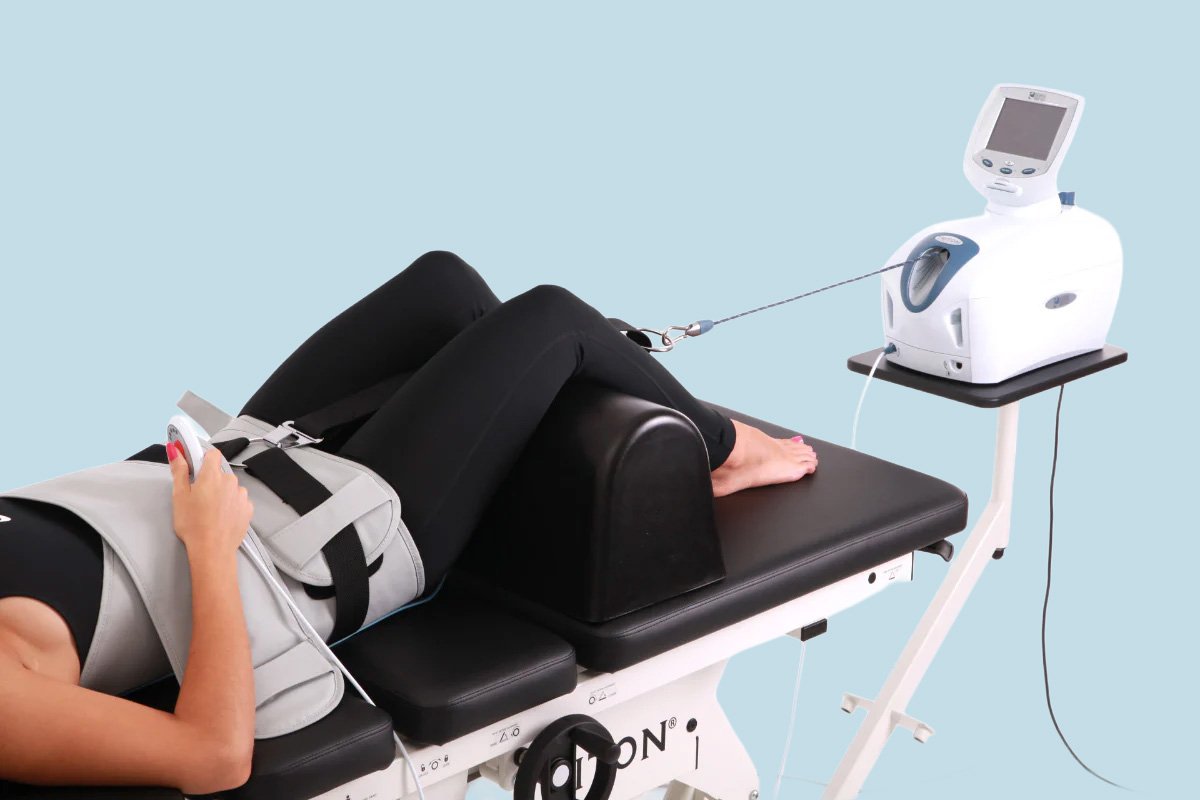
Spinal Decompression TherapyNon-surgical spinal decompression in Salisbury, MA for herniated discs and chronic back pain
For herniated discs, bulging discs, sciatica, and pinched nerves when adjustments, PT, or injections have not worked. Targeted decompression on the Triton DTS Decompression System, tracked monthly through the Spinal Health Score, and built into a defined corrective plan with a finish line you know before you start.
★★★★★ 143+ Five-Star Google Reviews • Cash-Pay • HSA & FSA Accepted

Measured Progress
Your Spinal Health Score tracks real progress monthly. As the number moves, you feel the relief and see the underlying correction.

Defined Finish Line
Your Spinal Health Score tracks real progress monthly. As the number moves, you feel the relief and see the underlying correction.

Cash-Pay, No Surprises
Full plan cost is reviewed before care begins. No daily transactional visits, no insurance limits, no surprise bills. HSA/FSA eligible.

190+ Five-Star Reviews
The most reviewed chiropractor in Salisbury. Patients keep coming back and bring their families

OverviewWhat spinal decompression therapy actually does
Spinal decompression uses a medical-grade, computer-controlled decompression table to apply precise, cycled force to a single segment of the spine. During treatment, the table gently unloads and releases the targeted joint, creating negative pressure inside that specific disc. That negative pressure helps a bulging or herniated disc move back off the nerve, improves circulation of the fluid and nutrients that discs need to heal, and takes direct pressure off the nerve roots causing pain.
The low back has five joints and the neck has seven. Decompression targets one joint at a time. That segment-specific targeting is the entire reason decompression works where older approaches did not. It is also why we X-ray every new patient before recommending decompression, and why we ask to review any prior MRIs. Most patients have never had a doctor sit down and walk them through their own imaging in detail. We do, every time, so the plan is built around what your spine is actually showing us.
Decompression at Newman Chiropractic is delivered on the Triton DTS Decompression System, one of the more researched non-surgical decompression devices on the market. Hold time, tension, and program settings adjust to your exact condition, body type, and progress, and they change across the course of care as your spine responds.
Decompression is rarely used in isolation. It is paired with targeted chiropractic adjustments, Class IV Medical Grade laser for inflammation, and when indicated, Focused Shockwave for the surrounding soft tissue. The combination is what moves the Spinal Health Score, not any one tool by itself.
Research Evidence"Lumbar radiculopathy is an extensively common complaint reported by patients of low back pain (LBP), resulting in several impairments. A comparatively novel technique, non-surgical spinal decompression (NSD), is introduced, which uses a sensitive computerized feedback mechanism and decompresses the spinal nerve roots through segmental distraction."
F. Amjad, 2022. Effects of non-surgical decompression therapy in addition to routine physical therapy on pain, range of motion, endurance, functional disability and quality of life.
Why Spinal DecompressionThe benefits most patients notice first
By lowering pressure inside the disc, decompression pulls fluid and nutrients back in, gives the nerve room to calm down, and takes compressive load off the joints that are flared up. Most patients feel something in the first three to six sessions. Durable results come from the full plan, not the first visit.

Less radiating pain into the arms, legs, or feet
Relief from sciatica that has not responded to other care
Easier standing, walking, and sitting for longer stretches
Reduced stiffness in the neck, mid-back, or lower back
Better range of motion tracked in your monthly Spinal Health Score
A non-surgical option for patients who have been told to consider surgery
Conditions TreatedWho spinal decompression helps most
Decompression is most effective for conditions driven by pressure on a disc or nerve root. The most common cases we see at Newman Chiropractic:
-
Herniated Disc
When the outer wall of a disc tears and the softer inner material pushes out, pressing on a nerve. Decompression helps reduce pressure on the nerve and supports the disc's ability to pull the material back in. Responds well to combined decompression and Class IV laser for the inflammation around the nerve root.
-
Bulging Disc
The disc has lost height and pushed outward without fully tearing. Common from years of compression, poor mechanics, or repeated lifting. Decompression directly addresses the pressure issue that caused the bulge and gives the disc room to rehydrate.
-
Sciatica
Pain that radiates from the low back down through the hip and leg, caused by pressure on the sciatic nerve (usually from a disc issue at L4-L5 or L5-S1). Decompression combined with targeted adjustments and focused shockwave on the involved soft tissue is one of the most effective non-surgical options.
-
Pinched Nerve
Whether in the neck (causing arm or hand symptoms) or low back (causing leg symptoms), a pinched nerve means something is physically pressing on it. Decompression addresses the structural cause. Laser therapy addresses the inflammation.
-
Degenerative Disc Disease
Discs lose height and hydration over time. Decompression does not reverse age, but it can reduce the symptom load, slow progression, and keep patients functional without surgery or long-term medication.
-
Post-Surgical and Failed Back Surgery
Most chiropractors avoid patients with prior discectomy, laminectomy, or fusion. Newman Chiropractic does not. We have had strong success treating failed back surgery cases and now treat a number of fusion patients on a modified protocol. Every post-surgical patient gets prior imaging reviewed and updated imaging in office, then a decompression plan tuned to what your spine can safely tolerate.
What to ExpectWhat a decompression session actually feels like
Decompression is most effective for conditions driven by pressure on a disc or nerve root. The most common cases we see at Newman Chiropractic:
The session itself
You lie face up on the Triton DTS table (both lumbar and cervical decompression are performed face up). Soft harnesses are placed across the pelvis and chest, or around the neck for cervical work. The table applies cycled decompression, unloading and releasing at the exact joint Dr. Jeff identified on your X-rays. Most patients find the sensation relaxing, some fall asleep. Hold time and tension change across the course of care as your spine responds.
How many sessions most patients need
Decompression at Newman Chiropractic is rarely a standalone treatment. It is built into a corrective care plan that typically includes 16 to 20 decompression sessions across the corrective phase, paired with adjustments and other therapies as clinically indicated. Plan length and session count are customized during the two-visit evaluation, based on your imaging and Spinal Health Score baseline.
How quickly you should expect to feel something
Most patients notice reduced pressure or pain within the first three to six sessions. The disc itself takes longer to change. That is why the Spinal Health Score tracks functional markers (range of motion, orthopedic tests, posture) monthly alongside subjective pain. You see both types of progress, not just the feeling.
Who should not get decompression
Decompression is not appropriate for every patient. We screen for contraindications during the two-visit evaluation. These include severe osteoporosis, spinal fractures, tumors, pregnancy, recent spinal surgery without clearance, and a few specific implants. Honesty about fit is part of how we build trust.
EligibilityWho decompression helps, and who it does not
Decompression is not for everyone. Honesty about fit is part of how we build trust. The two-visit evaluation, including imaging and orthopedic testing, is where we determine whether decompression belongs in your plan.
Decompression is often a fit when patients have:
Sciatica or nerve pain radiating into the arms, legs, or feet
Chronic back and neck pain that has not responded to PT, adjustments, or meds
Herniated or bulging discs confirmed on imaging
Recurrent back and neck flare-ups
Sports injuries involving disc or nerve root involvement
Pain after a recommendation for surgery, when the patient wants to try non-surgical care first

Decompression is not appropriate when patients have:
Severe osteoporosis
Active spinal fractures
Spinal tumors or active cancer in the spine
Pregnancy
Recent spinal surgery without imaging review and clearance
Certain spinal implants or hardware

Why Newman ChiropracticFour reasons patients choose Newman Chiropractic for decompression
The Spinal Health Score
Every patient gets a measurable score at baseline, updated monthly, combining range of motion, X-ray findings, orthopedic testing, and functional movement. If your score is not moving, your plan changes. No other local practice tracks decompression outcomes this way.
Cash-Pay, No Surprises
Insurance does not cover spinal decompression, which creates surprise bills at offices that bill hybrid. Newman Chiropractic is fully cash-pay. Your full investment is reviewed before care starts. HSA and FSA accepted. No visit caps, no prior-auth delays.
Everything Under One Roof
Decompression works best combined with adjustments, Class IV laser for nerve inflammation, and focused shockwave for surrounding soft tissue. Newman Chiropractic is the only local practice that offers all of these in one plan.
Two-Visit Evaluation Before Any Plan
Every new patient gets two unhurried visits with Dr. Jeff and the clinical team before we recommend a decompression plan. We review imaging, test orthopedic and functional markers, and establish your Spinal Health Score baseline. Between visits, our team sits down with your findings to figure out the root cause and whether decompression is appropriate. Visit two walks you through everything we found and what the plan would look like. No commitment until visit two.
Real OutcomesPatients who came in with disc pain, sciatica, and “tried everything”
5.0 stars across 143+ Google reviews
"From someone who was a total non-chiropractor person, I can honestly say this guy is amazing. I kick myself for not finding them sooner."
"My back pain was so terrible in the middle of my pregnancy, I could not move. Within just 1 visit with him I already felt drastically better."
"He quite literally gave me my life back. I did not need surgery. He treats the cause rather than just masking the pain."
Technique
Mechanism
Benefit
How the Pieces Work TogetherDecompression, Class IV laser, and focused shockwave at a glance
Decompression is rarely the only therapy in a plan. The mechanism each tool brings is different, and the combination is what moves the Spinal Health Score on disc, nerve, and surrounding soft tissue cases.
Targeted Spinal Decompression
Cycled, logarithmic decompression on the Triton DTS table that creates negative pressure inside one targeted joint at a time, not across the whole spine.
Takes pressure off the nerve root and supports the disc's ability to rehydrate and pull material back in.
Class IV Medical Grade laser
The only therapeutic laser powerful enough to target the deep tissue and disc of the spine, not the surface-level penetration of a cold laser.
Gets you out of pain faster and into appropriate exercises sooner, so the decompression work holds.
Focused Shockwave
Powerful, deep shockwave used in professional sports rehab rooms, targeting specific soft tissue, scar tissue, and tendon involvement around the affected segment. Not the broad, superficial radial pulsewave found in most clinics.
Breaks up scar tissue and stimulates cellular regeneration in the surrounding structures decompression alone does not reach.

Two-visit Evaluation
Two unhurried visits with Dr. Jeff and the care team. We collect the full story, run digital X-rays, check range of motion, test orthopedic and functional movement, and calculate your baseline Spinal Health Score. Between visits, the clinical team sits down with your imaging and exam results to figure out the root cause and what it would take to correct it. Then we walk you through everything on visit two. No pressure. No commitment until visit two.

Relief & Rebuild
01. Relief you can feel. Visits are more frequent at first to calm pain, restore motion, and take pressure off the tissues that are flared up. Advanced therapies (decompression, Class IV laser, focused shockwave) are used where they accelerate progress. Most patients feel noticeably better in the first one to two weeks.
02. Build the foundation back. As symptoms settle, we shift toward rebuilding stability. Adjustments stay at the center. Corrective exercises get introduced. Advanced therapies taper as your body holds the work longer. Your Spinal Health Score is updated monthly so you can see progress, not just feel it.
03. Hold it for real life. The final phase is about making the gains stick. Advanced therapies taper off. Exercises get more progressive, including anti-rotation and stability work that protects your spine through lifting, hiking, sports, and everything else you want back. End-of-plan reassessment includes repeat imaging when clinically appropriate.

Maintenance Options
When corrective care is complete, you have a choice. Graduate out entirely, or continue with optional Ongoing Care to protect the progress during the 12 to 16 month soft tissue remodeling window. Either way, your Spinal Health Score keeps tracking. Decisions stay data-driven, not pressure-driven.
our approachHow care actually works at Newman Chiropractic
Every patient starts with two visits before we present any care plan. Most corrective plans run 3 to 6 months, customized to your condition and goals.
Before You BookCommon questions about working with Dr. Jeff
-
Over 15 years in Salisbury. He graduated from Palmer College of Chiropractic after completing his Biology degree at Salve Regina University.
-
Dr. Jeff architects every care plan and conducts every new-patient evaluation. Day-to-day adjusting is handled by Dr. Jake, who works the plans Dr. Jeff designed.
-
The practice serves the Greater Newburyport area and the North Shore, including Salisbury, Newburyport, Amesbury, Merrimac, Newbury, Rowley, Ipswich, and Haverhill in Massachusetts, plus Seabrook, Hampton, Exeter, and Nashua in New Hampshire.
-
Insurance pays per adjustment, not per the time with each patient, and visits often run as short as 5 minutes and visit caps that could not deliver corrective results. Going cash-pay gave the practice back the clinical time, and the multi-modal care stack (decompression, Class IV laser, focused shockwave, nutrition) that insurance does not cover anyway. HSA and FSA are accepted. Every plan cost is reviewed upfront.
-
It is a measurable number combining range of motion, X-ray findings, orthopedic testing, posture, and functional movement. Updated monthly. If the score is not moving, the plan changes. No other local practice has anything like it.

Ready to StartSee your progress, month after month.
Book your first visit. Across two visits with dedicated clinical review between them, you will know exactly what is going on, what it will take to correct it, and what the investment looks like, before you commit to anything.
Or call (978) 961-9099