
Why Winter Is When Chronic Pain and Old Injuries Show Themselves
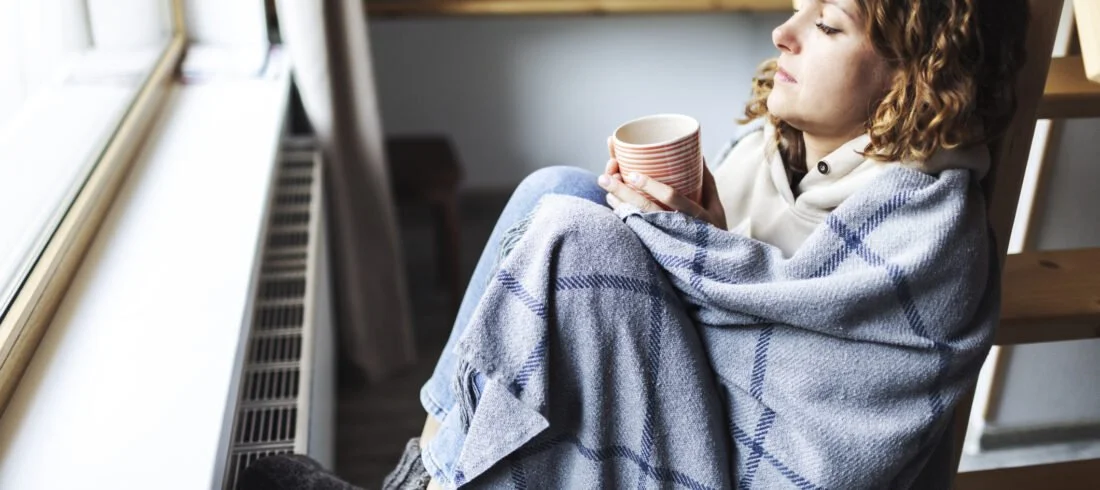
Why Winter Is When Chronic Issues Show Themselves
If you’ve ever asked yourself, “Why does this keep coming back every winter?” — you’re not imagining it.
Every year around January, February, and March, we see the same pattern. Old injuries resurface. Stiffness increases. Low backs tighten. Necks flare up. Shoulders that were “fine” in the fall suddenly aren’t.
Cold weather didn’t create the problem.
It revealed it.
Winter has a way of exposing instability that warmer, more active months quietly hide.The Quiet Build-Up
Winter Reduces Movement — And Load Tolerance Drops
In coastal New England, winter changes daily behavior more than people realize.
You move less.
You spend more time indoors.
You sit more — at desks, in cars, on couches.
You brace against cold air.
When movement decreases, so does your body’s load tolerance.
Load tolerance is your ability to handle stress — physical stress from lifting, twisting, shoveling, working at a computer, or even simply standing for long periods.
Movement maintains joint nutrition.
Movement reinforces muscular balance.
Movement keeps the nervous system adaptable.
When movement decreases for weeks at a time, joints stiffen, stabilizers weaken, and compensation patterns become more dominant.
Nothing dramatic happens at first. It’s subtle.
Then one day, something “small” sets it off — bending forward, turning wrong, carrying something heavy — and it feels like the problem came out of nowhere.
It didn’t.
Winter simply lowered your buffer.
Cold Weather Doesn’t Cause Pain — It Exposes Dysfunction
Many people assume cold air is the reason they hurt more.
Cold can increase tissue stiffness temporarily. Muscles contract slightly in lower temperatures. Circulation shifts. But that alone doesn’t create structural problems.
If cold weather alone caused pain, everyone would hurt equally.
They don’t.
What winter does is expose areas that were already compensating.
If a joint isn’t moving well…
If one side is overworking to protect another…
If an old injury healed without fully restoring function…
Cold and inactivity amplify the imbalance.
That’s why old injuries often resurface during winter months. Not because they “flare randomly,” but because the system was already working harder than it should.
Winter simply removes the extra margin you were relying on.
Why Old Injuries Resurface in Cold Weather
Past injuries rarely disappear completely.
They adapt.
Scar tissue forms. Movement patterns change. Other muscles take over to protect the area. The body is incredibly good at surviving — but survival patterns aren’t the same as stability.
During warmer months, higher activity levels often mask these compensations. More walking, more outdoor time, more natural movement keeps things fluid.
Winter reduces that variability.
Repetitive desk posture.
Less walking.
More static positions.
The old compensation patterns get reinforced.
By February or March, the body has been operating in reduced movement mode for 8–12 weeks.
That’s when people start saying:
“It was fine… until it wasn’t.”
The Nervous System and Seasonal Stress
Winter isn’t just physical.
It’s darker.
Schedules shift.
Stress accumulates.
Sleep can change.
Your nervous system regulates muscle tone, joint stability, and stress response. When stress increases, muscle tension increases. When tension increases, mobility decreases.
Over time, that increased tension reduces adaptability.
The nervous system becomes more reactive and less resilient.
This is one reason short-term relief often fades by late winter.
Massage helps temporarily.
Stretching feels good for a day or two.
Rest calms symptoms briefly.
But if the underlying structural and neurological patterns remain unchanged, the same flare-up cycle returns.
Not randomly. Predictably.
Why Short-Term Relief Fades by February or March
January often starts with motivation.
People stretch more.
They try new workouts.
They pay attention to posture.
By late winter, that motivation fades — and the body is left with:
Reduced movement
Increased stress
Lower tissue resilience
Ongoing compensation patterns
Short-term relief strategies treat symptoms.
They reduce inflammation.
They relax tight tissue.
They decrease discomfort.
But they do not increase structural stability.
If the joint still lacks proper motion…
If the stabilizing muscles still aren’t supporting properly…
If the nervous system still defaults to protective tension…
The issue will return.
Winter simply accelerates that timeline.
Why Flare-Ups Feel Random — But Aren’t
From the outside, a flare-up looks sudden.
From a structural perspective, it’s cumulative.
Small restrictions compound.
Load tolerance decreases.
Stress accumulates.
Compensations deepen.
Eventually, one small movement exceeds the body’s current capacity.
That’s the moment people notice pain.
But the process started weeks — sometimes months — earlier.
This is why intensity isn’t the solution.
Pushing harder. Stretching more aggressively. Lifting heavier. “Powering through it.” Those approaches increase load without increasing stability.
Stability must come first.
What Structural Stability Actually Means
Stability isn’t stiffness.
It’s control.
A stable joint moves when it should, and resists movement when it should. It distributes force evenly instead of funneling stress into one vulnerable area.
Structural stability means:
Balanced joint motion
Proper muscular support
Clear neurological signaling
Predictable load handling
When stability improves, flare-ups decrease — not because the weather changed, but because your buffer increased.
Cold weather stops being a trigger.
Stress stops being the tipping point.
Old injuries stop resurfacing every winter.
Why Stability Matters More Than Intensity
Intensity is visible.
Stability is quiet.
Intensity feels productive.
Stability feels subtle.
But intensity layered on instability leads to recurrence.
Stability layered over time leads to durability.
Winter exposes instability because the margin for error shrinks.
The solution isn’t more force.
It’s better structure.
How Structured Corrective Care Addresses the Root
Corrective care isn’t about chasing symptoms.
It’s about identifying where motion is restricted, where compensation is occurring, and where the nervous system is guarding.
It follows a discovery-before-decision process. Investigation first. Plan second.
The goal isn’t short-term relief.
It’s restoring predictable joint motion.
Improving load tolerance.
Reducing neurological reactivity.
Building long-term structural resilience.
When that foundation improves, seasonal shifts stop dictating how you feel.
Winter becomes winter — not flare-up season.
